


Stay up to date on ongoing activities of CAST Mozambique and find out our latest project news.
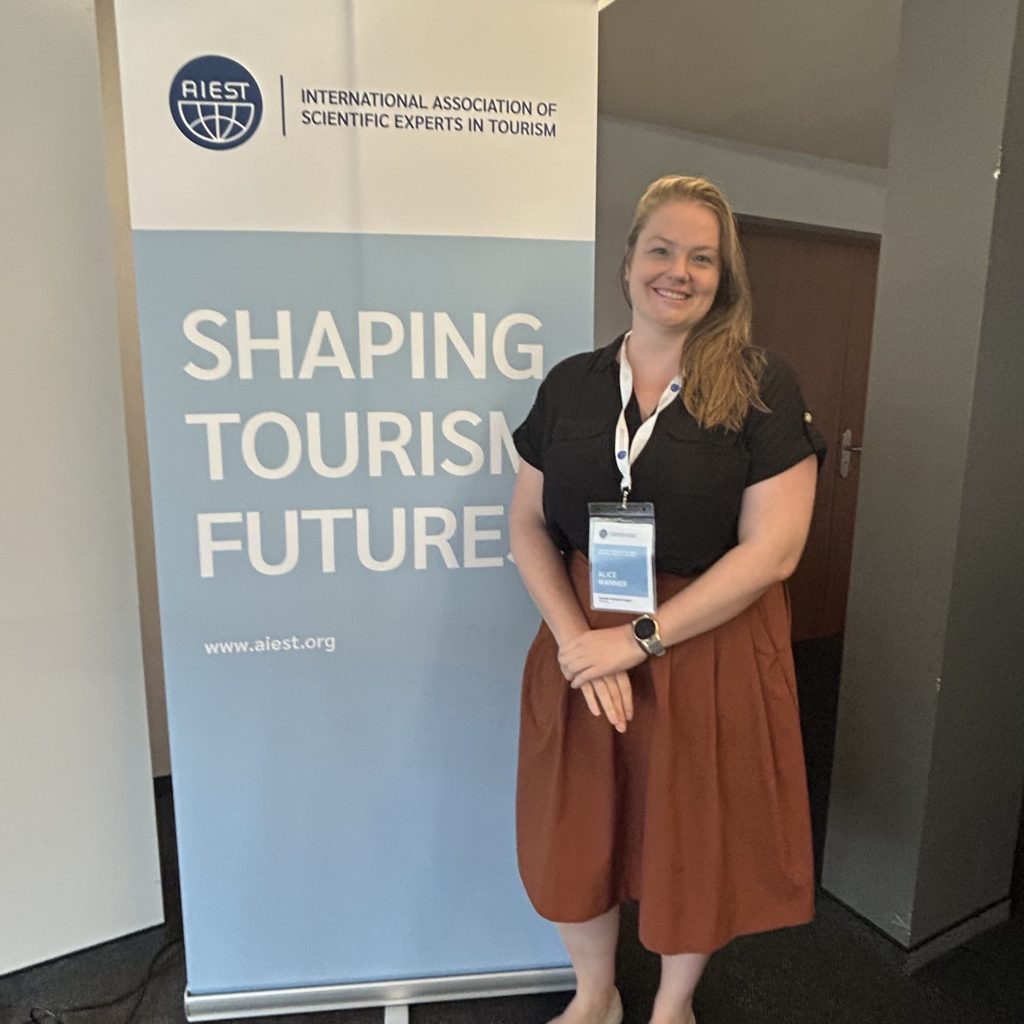
IMC University of Applied Sciences Krems has published a new article about CAST Mozambique’s contribution to the 75th AIEST Conference in St. Gallen. The article highlights Prof. (FH) Dr. Alice Wanner’s presentation of the project’s capacity-sharing approach and the role of higher education in promoting sustainable rural tourism in Mozambique.
Read the full article on the IMC Krems website.
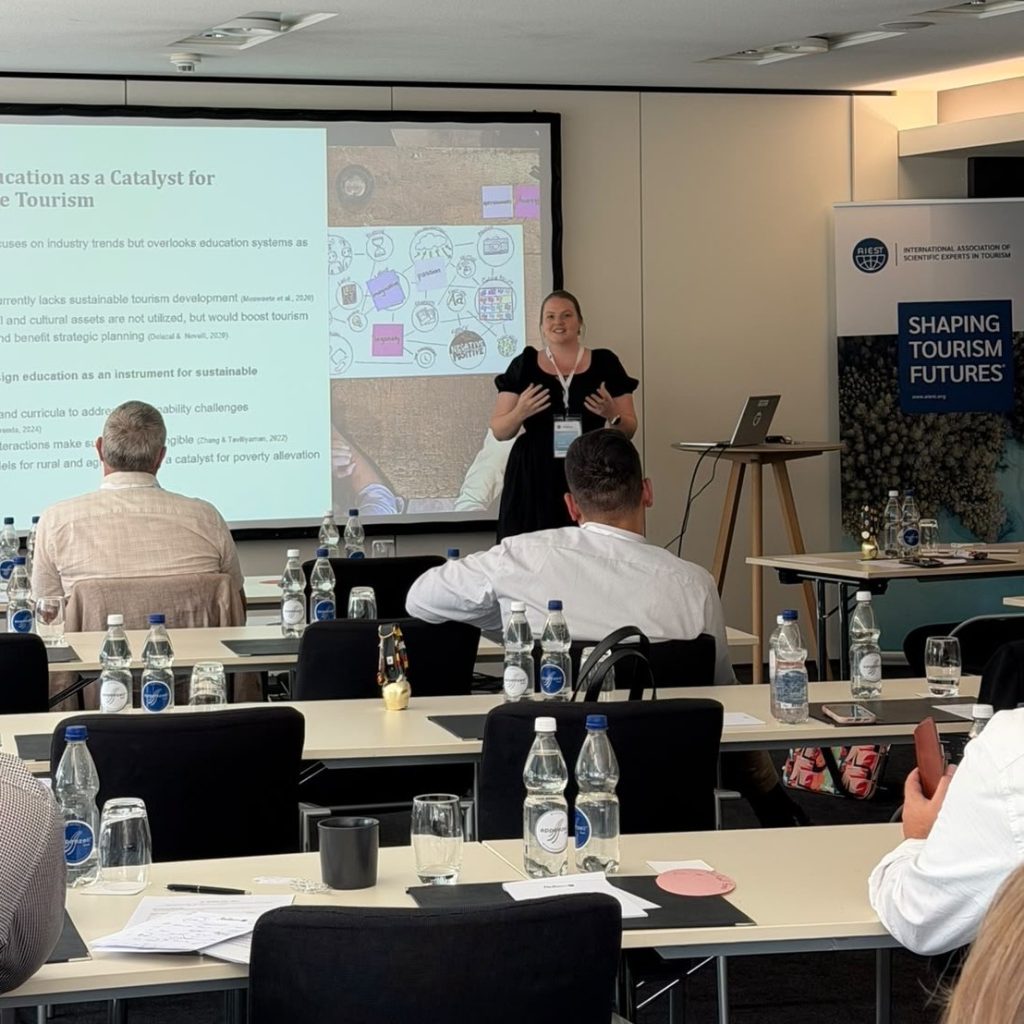
APPEAR has published a new article about CAST Mozambique’s presentation at the 75th AIEST Conference in St. Gallen. The article highlights how the project’s four-pillar capacity-sharing model connects higher education, tourism practice and community knowledge to promote sustainable rural tourism in Mozambique.
Read the full article on the APPEAR website.
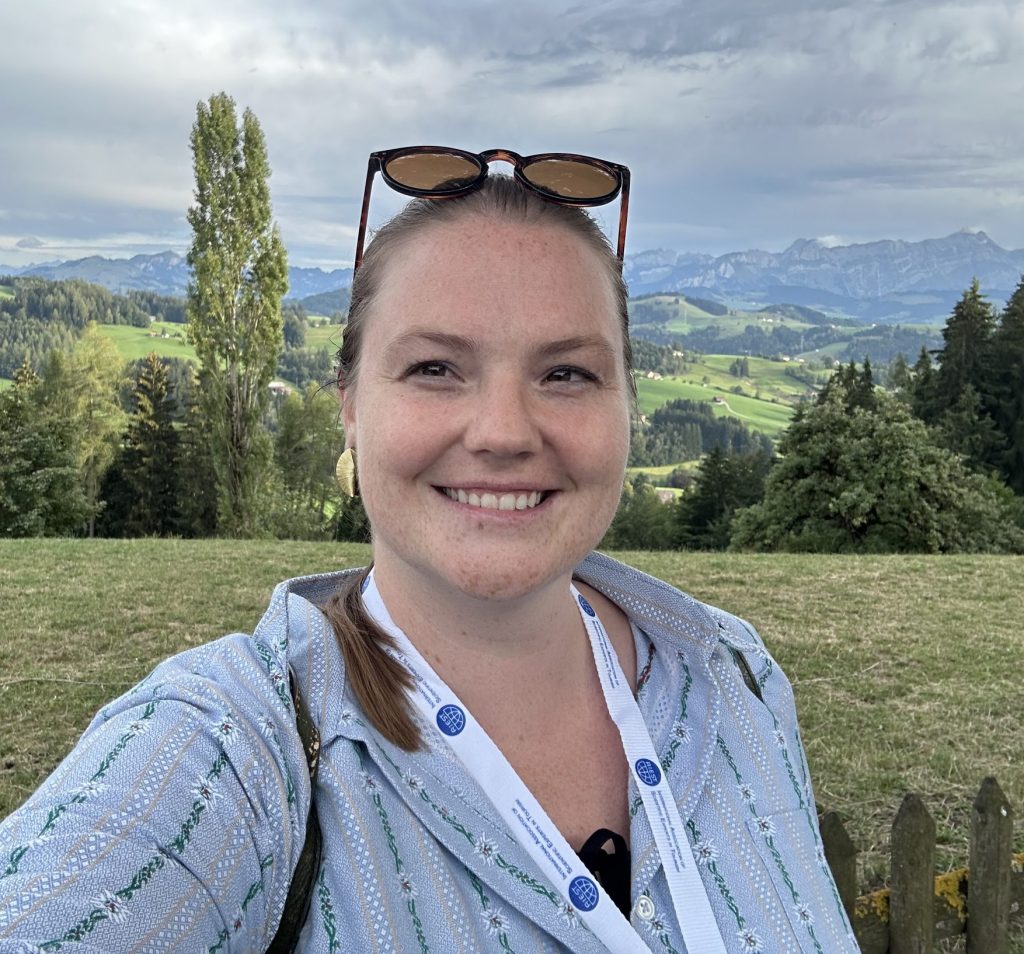
From 23 to 26 August 2026, the 75th AIEST Conference brought together international tourism researchers and practitioners in St. Gallen, Switzerland – the city where the International Association of Scientific Experts in Tourism (AIEST) was founded 75 years ago. Representing the CAST Project, Prof. (FH) Dr. Alice Wanner presented the project and its approach to sustainable rural tourism development.
Her presentation, titled “Bridging the Gap: Boosting Sustainable Rural Tourism Through Higher Education in Mozambique”, explored how higher education can empower both students and local communities and higher education’s role in contributing to more sustainable and inclusive tourism development. It introduced CAST’s capacity-sharing model, which combines a needs analysis, a train-the-trainer approach, didactic innovation and the active involvement of rural stakeholders.
The presentation highlighted how CAST connects higher education with the practical realities of rural communities. Through the development of new courses and the planned Master’s programme in Sustainable Rural Tourism, students, lecturers and local stakeholders gain skills to jointly develop sustainable tourism products and digital marketing strategies. This approach aims to support livelihood diversification, strengthen local ownership and contribute to more balanced tourism development beyond Mozambique’s coastal regions.
The conference provided a valuable opportunity to discuss the CAST approach with international tourism experts, exchange perspectives and strengthen the project’s international visibility. The contribution was jointly developed by Claudia Dolezal, Hélsio Azevedo, Daniel Zacarias, Sonia Cossa and Alice Wanner. In line with the project’s sustainability focus, Alice also travelled to St. Gallen by train.
Find out more about the 75th AIEST Conference and read Alice Wanner’s reflections on LinkedIn.
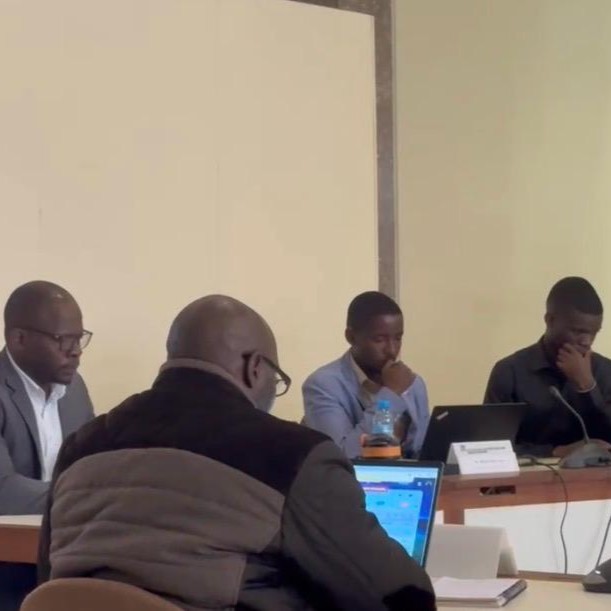
On 30 July 2026, CAST Mozambique reached one of its central project milestones: the new Master’s programme in Sustainable Rural Tourism received approval at Universidade Eduardo Mondlane (UEM) level.
During the approval session, Dr. Daniel Zacarias presented the programme and its academic concept to the university leadership. Following the review and approval by the Rector, the internal university approval process was successfully completed. This achievement reflects the extensive work invested in developing and refining the programme by the Mozambican and Austrian project partners.
The Master’s programme was jointly developed by the Escola Superior de Hotelaria e Turismo de Inhambane (ESHTI/UEM) and IMC University of Applied Sciences Krems within the CAST Mozambique project. Its curriculum builds on the project’s needs analysis, stakeholder consultations, capacity-sharing activities and practical experiences gained through the newly developed courses and field-based learning activities.
The programme aims to connect advanced academic education with the needs of Mozambique’s tourism sector and rural communities. It will strengthen expertise in sustainable rural tourism development, tourism product development, business planning, marketing and digitalisation while promoting closer cooperation between universities, tourism stakeholders and local communities.
The next step is the formal national accreditation process. Subject to successful accreditation and the remaining preparations, UEM intends to welcome the programme’s first students in March 2027. The approval at UEM level therefore represents an important step towards strengthening higher education capacities and supporting more sustainable and locally driven tourism development in Mozambique.
CAST Mozambique has successfully completed its third project year, covering the period from April 2025 to March 2026. During this time, the partnership between IMC University of Applied Sciences Krems and ESHTI made important progress in sustainable rural tourism education, field-based learning and international cooperation.
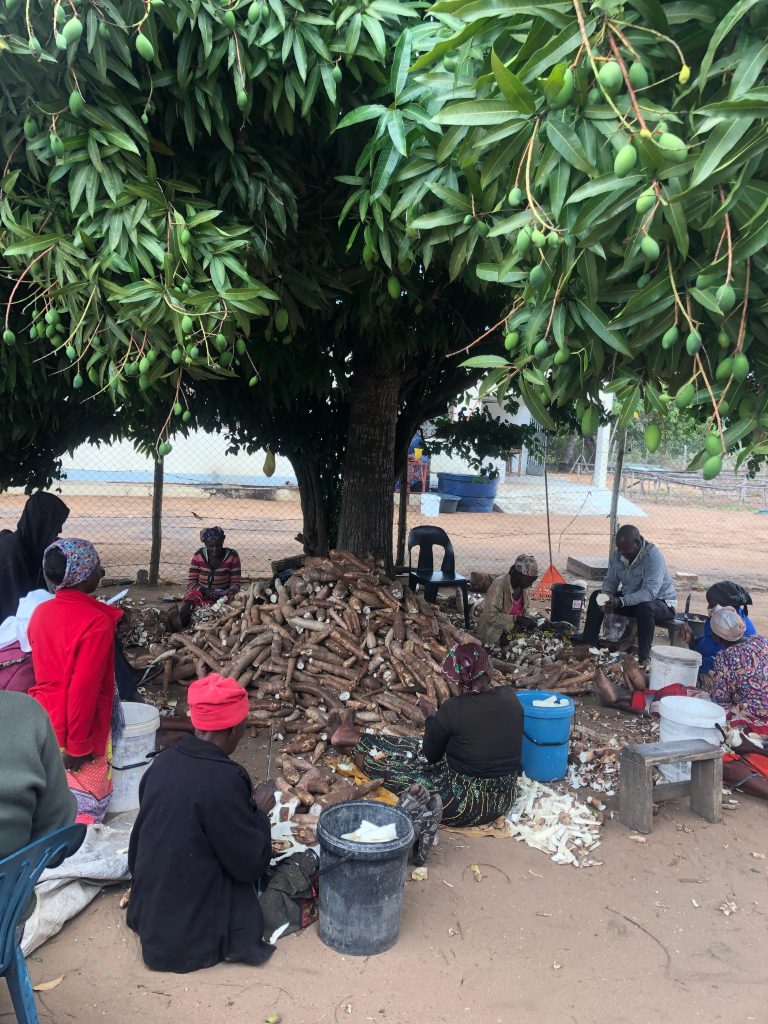
A major milestone was the first student field trip to Zavala in October 2025. ESHTI students and lecturers worked directly with local communities, assessed the area’s tourism potential and developed initial ideas for sustainable tourism products and itineraries. This practical approach successfully connected academic learning with real-world application and community engagement.
At the same time, the curriculum for the new Master’s programme in Sustainable Rural Tourism at ESHTI was finalised in close cooperation between the Austrian and Mozambican partners and is currently undergoing the institutional approval process.
The project also responded successfully to staff changes and postponed activities. In early 2026, Dr. Alice Wanner assumed responsibility for project coordination. Despite these adjustments, the team continued to advance teaching resources, student involvement and the international visibility of CAST Mozambique.
Following the successful conclusion of the third project year, the next phase will focus on the second field-based learning phase, community training activities, the further development of teaching materials and preparations for the rollout of the Master’s programme. A visit by the ESHTI team and students to Austria in October 2026 will provide further opportunities for academic exchange and practice-oriented learning.
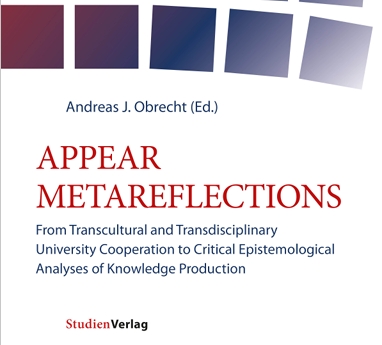
We are delighted to share that members of the CAST Mozambique project team have contributed a chapter to the newly published book APPEAR METAREFLECTIONS: From Transcultural and Transdisciplinary University Cooperation to Critical Epistemological Analyses of Knowledge Production, edited by Andreas J. Obrecht.
The chapter “Building Capacity for Sustainable Rural Tourism in Mozambique through a North–South (or South–North?) Collaboration: Lessons from CAST Mozambique”, written by Claudia Dolezal, Helsio Azevedo, Daniel Zacarias and Sonia Cossa, reflects on the experiences, achievements and challenges of the cooperation between the Austrian and Mozambican project partners. It highlights the importance of mutual learning, shared ownership and knowledge exchange in both directions for equitable and sustainable international university cooperation.
Find out more about the publication on the OeAD website or read the complete e-book free of charge. The CAST Mozambique chapter starts on page 105.
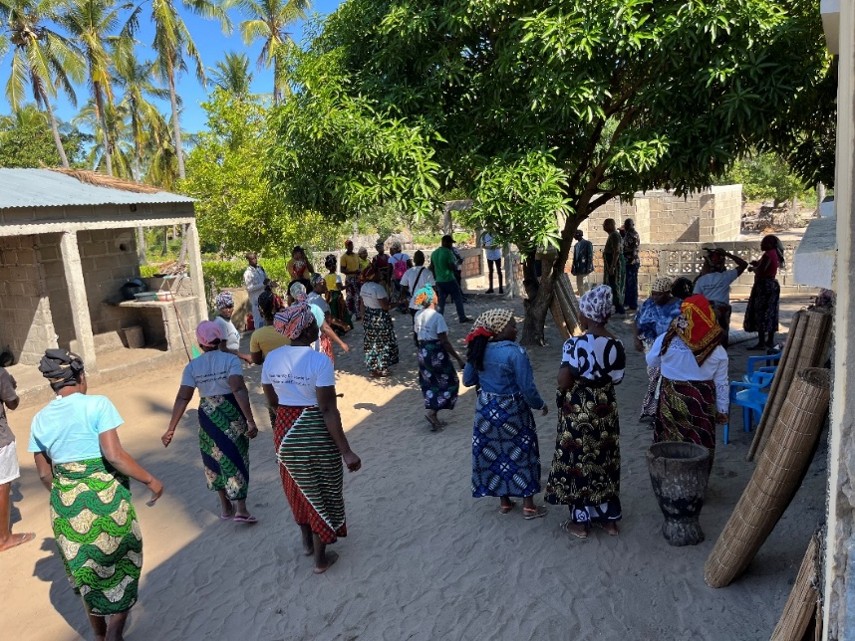
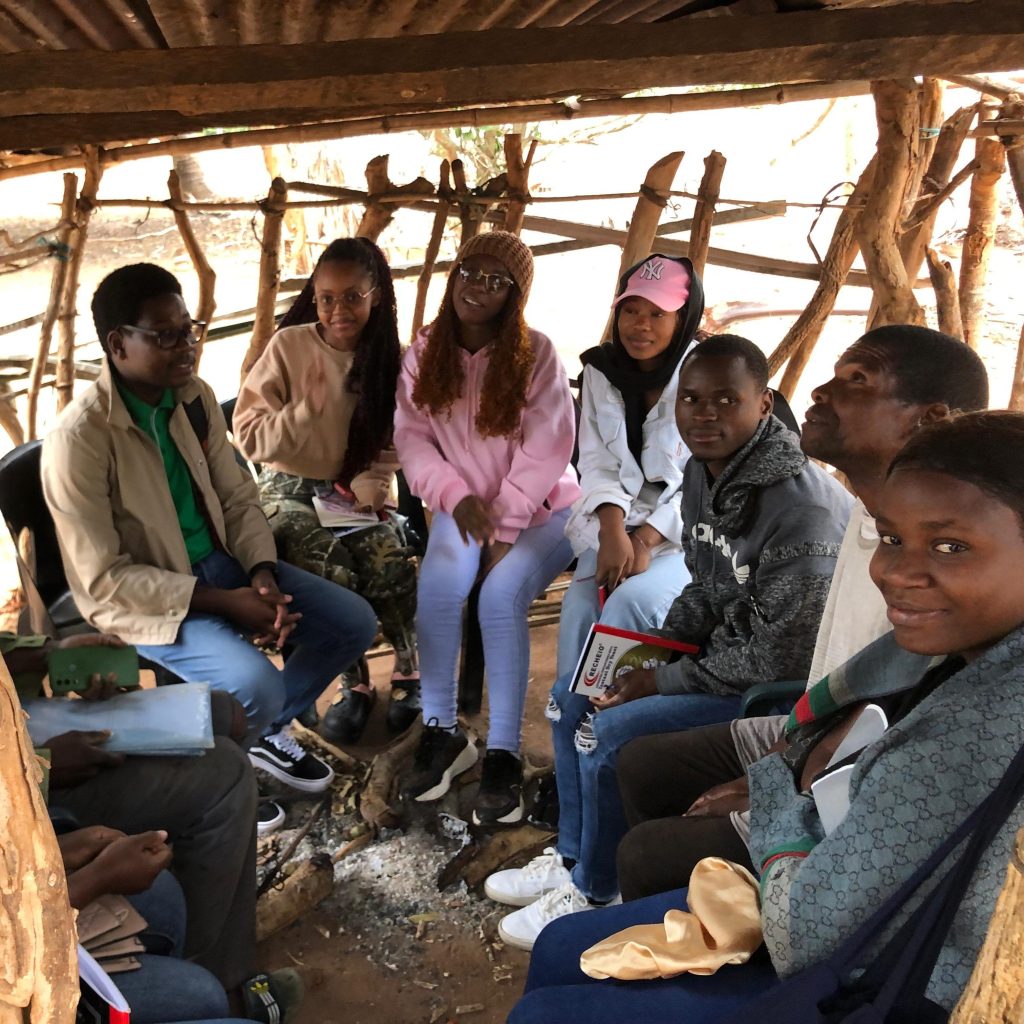
Building on the first student fieldtrip in October 2025, CAST Mozambique returned to the district of Zavala from 5 to 7 May 2026 for the next phase of field-based learning and community capacity building. Lecturers and 16 students from ESHTI worked together with members of AAPICOCHE, Nhachinhavele and the Zama-Zama Cooperative to strengthen the foundations for a sustainable rural tourism route in the district.
More than 50 community members participated in five practical training modules: digital marketing, small business management, food handling and safety, customer service and restaurant and bar services, and community tour guiding. Participants created content for social media, practised cost calculations and business planning, strengthened their hospitality and food safety skills, and conducted simulated guided tours.
Together with the ESHTI team, community members mapped agricultural, natural, cultural and historical attractions and developed an initial rural tourism itinerary. The results were presented during a visit by the Administrator of Zavala District, highlighting the strong local interest in the initiative and its potential for sustainable community development.
On 9 May, representatives of the three organisations visited Tofo Life, a women-led community ecotourism initiative in Tofo. Through practical cultural activities, including the preparation of the traditional dish Matapa, and an open exchange with the association’s members, the participants gained valuable insights into community-based tourism, local income generation, cultural preservation and women’s empowerment.
The fieldtrip strengthened cooperation between ESHTI and the participating communities and brought Zavala another important step closer to developing its own sustainable rural tourism route.
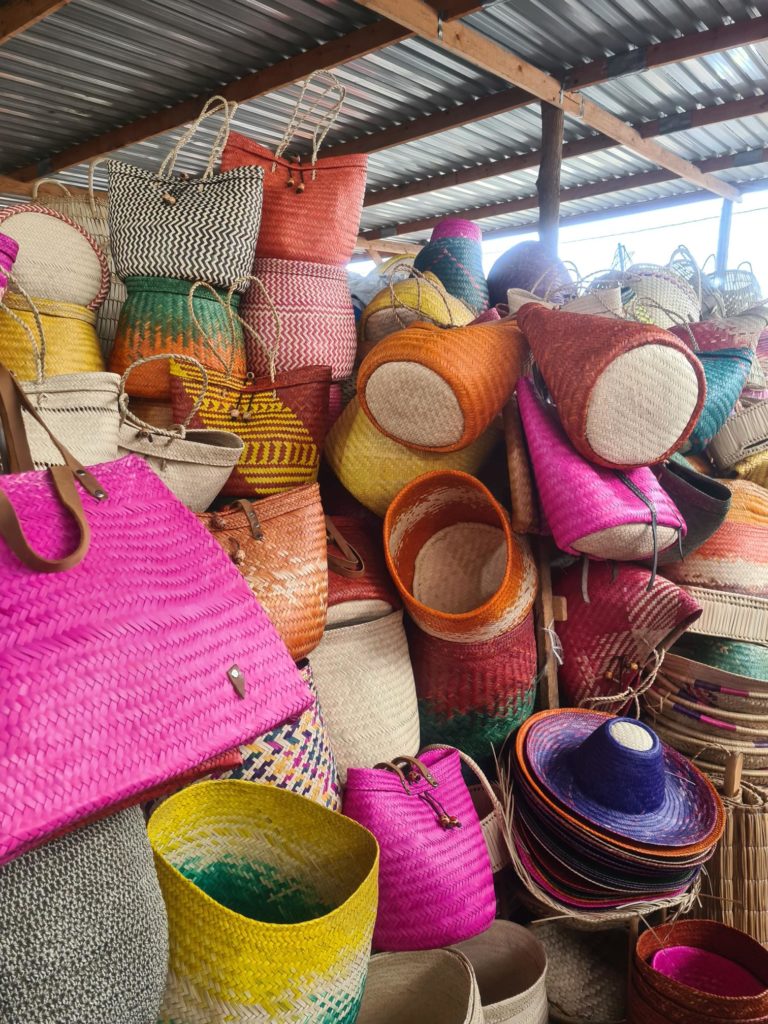
The CAST Mozambique project is entering a new phase of implementation with a change in project leadership at IMC University of Applied Sciences Krems. Dr. Alice Wanner has taken over the role of Project Lead. As Senior Lecturer in Tourism and Sustainable Development at IMC, she brings extensive expertise in sustainable tourism planning, participatory governance and regional development. Her academic work focuses on stakeholder engagement, resilience and applied field-based learning – key elements that align closely with the objectives of CAST Mozambique. Under her leadership, the project will continue to strengthen institutional capacity, promote sustainable rural tourism development and deepen cooperation between IMC and ESHTI.
At the same time, we would like to express our sincere gratitude to Prof. (FH) Claudia Dolezal, who initiated the CAST Mozambique project and served as Project Lead for almost three years. Claudia laid the conceptual foundation of the project, established the international partnership and guided the implementation across all work packages. Her vision, commitment and academic leadership were instrumental in shaping the project’s strategic direction and fostering long-term cooperation between Austrian and Mozambican partners. We thank Claudia for her outstanding contribution and look forward to continuing the successful collaboration within the CAST Mozambique partnership.
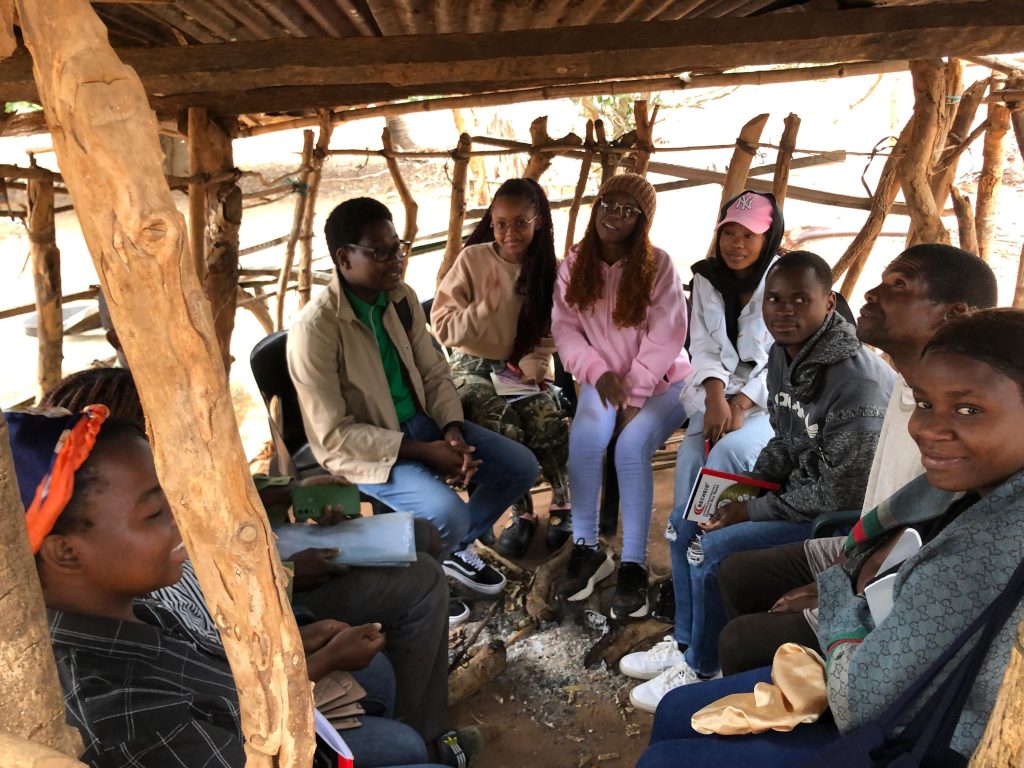
Between 19 and 22 October 2025, ESHTI lecturers and 24 third-year students from the Tourist Information and Tourism Market Management programmes carried out the project’s first fieldtrip to the district of Zavala. Hosted by the AAPICOCHE association in Chicoche, the group conducted a local tourism assessment, explored opportunities for rural and community-based tourism, and interacted directly with three agricultural associations: AAPICOCHE, Nhachinhavele, and the Zama-Zama Cooperative. Students applied classroom knowledge in real settings – mapping resources, analysing infrastructure, identifying tourism experiences, and developing an integrated rural tourism itinerary. The visit strengthened university–community relations and raised awareness for sustainable tourism practices. A second visit will take place in 2026 to refine the itinerary and co-develop new tourism products with community partners.
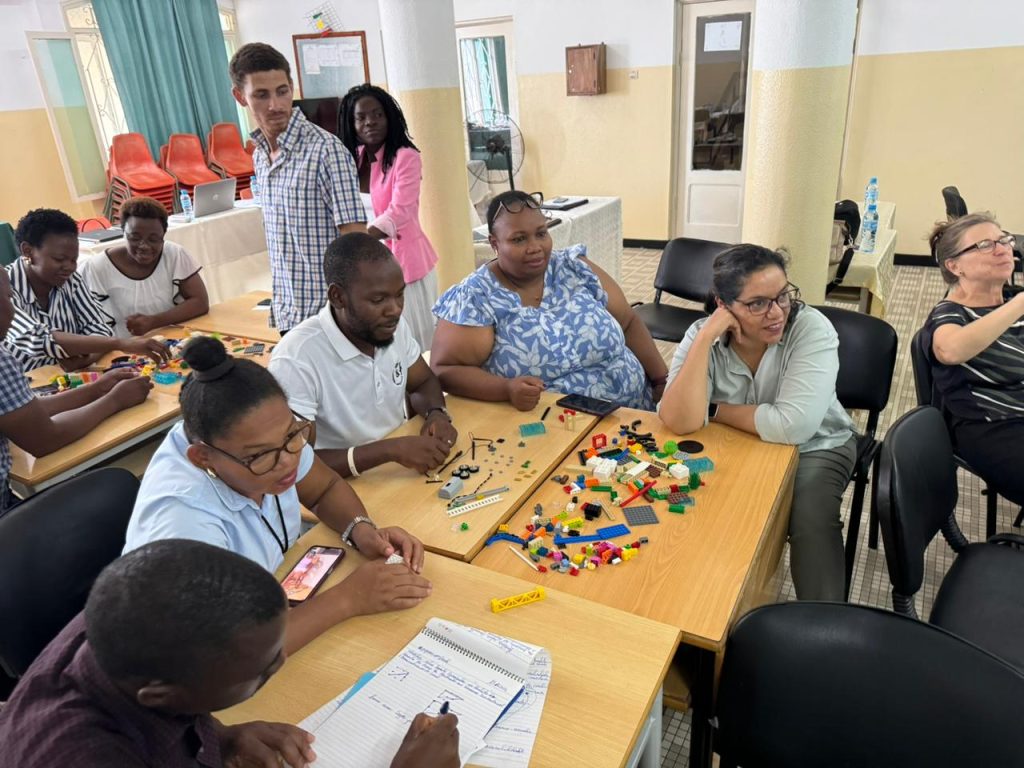
OeAD has published a new article on CAST Mozambique, summarising our second project year (April 2024–March 2025). It recaps the capacity-building week at IMC Krems in June 2024, the follow-up train-the-trainers sessions and stakeholder consultations in Inhambane and Maputo in November 2024, and the skills survey and feasibility study that fed into the MA in Sustainable Rural Tourism. The article also touches on first field-site scouting near Inhambane to support upcoming student fieldwork and pilot subjects. Read the full article here.
We’re delighted to welcome Dr. Alice Wanner to the CAST Mozambique team. Alice is a senior lecturer at IMC Krems’ Institute for Tourism and joins the project as a trainer, bringing strong expertise in sustainable tourism planning, stakeholder engagement, and participatory approaches in rural destinations. Her interdisciplinary background – spanning research and practice across Central and Southeast Europe – will directly support our capacity-building work, from curriculum development to community-engaged teaching. Alice is passionate about fostering dialogue between students, local stakeholders, and decision-makers, and will help us strengthen practical components of teaching and field collaboration in Mozambique. Meet Alice and the full partnership team on our Partners page.
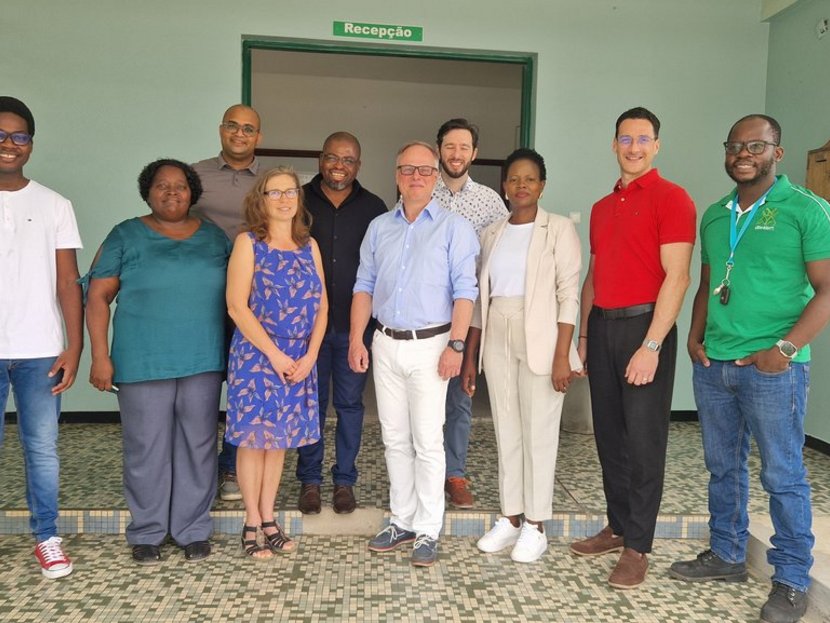
OeAD has published a new article on our project, spotlighting the Austrian team’s working visit to Mozambique and the joint progress with ESHTI/UEM. The piece recaps how partners advanced capacity building and curriculum development for the planned MA in Sustainable (Rural) Tourism, and how stakeholder input is shaping the next phases. The article recounts how the team delivered hands-on train-the-trainers sessions at ESHTI in Inhambane, focusing on innovative teaching methods, curriculum design and MA-level delivery, with strong participation from ESHTI academic staff. It also captures the stakeholder consultations held in Inhambane and Maputo, where government, industry and community representatives helped align the planned MA and the pilot subjects with labour-market and community needs. In addition, first field-scoping visits explored potential rural partners for student projects and community-based learning. All inputs from training and consultations are now feeding into the draft MA proposal and the development of teaching materials. Looking ahead, the piece outlines the next steps: piloting two BA-level subjects that will also contribute to the MA, co-developing teaching and learning materials with ESHTI colleagues and community partners, and advancing the MA proposal through the internal approval process. More details in the article published on the OeAD website.
CAST Mozambique’s second year (April 2024–March 2025) centred on capacity building and degree development. In June 2024, IMC Krems hosted a training week in Krems/Vienna for four Mozambican colleagues, combining MA-level teaching practice, a Lego® Serious Play® lab, project-management coaching, and agrotourism field visits. Media interest also grew, including coverage in Der Standard. In November 2024, ESHTI ran a follow-up Train-the-Trainers in Inhambane with 32 lecturers, paired with stakeholder consultations in Inhambane and Maputo to align the planned MA with labour-market and community needs. A skills survey (20 responses) and ESHTI’s feasibility study fed into the MA in Sustainable Rural Tourism proposal, which entered internal review in April 2025. Field-site scouting near Inhambane identified several promising community partners, with final selection planned for June–October 2025. On the research track, Elodia Miguel was shortlisted for the PhD scholarship, with admission arrangements underway.
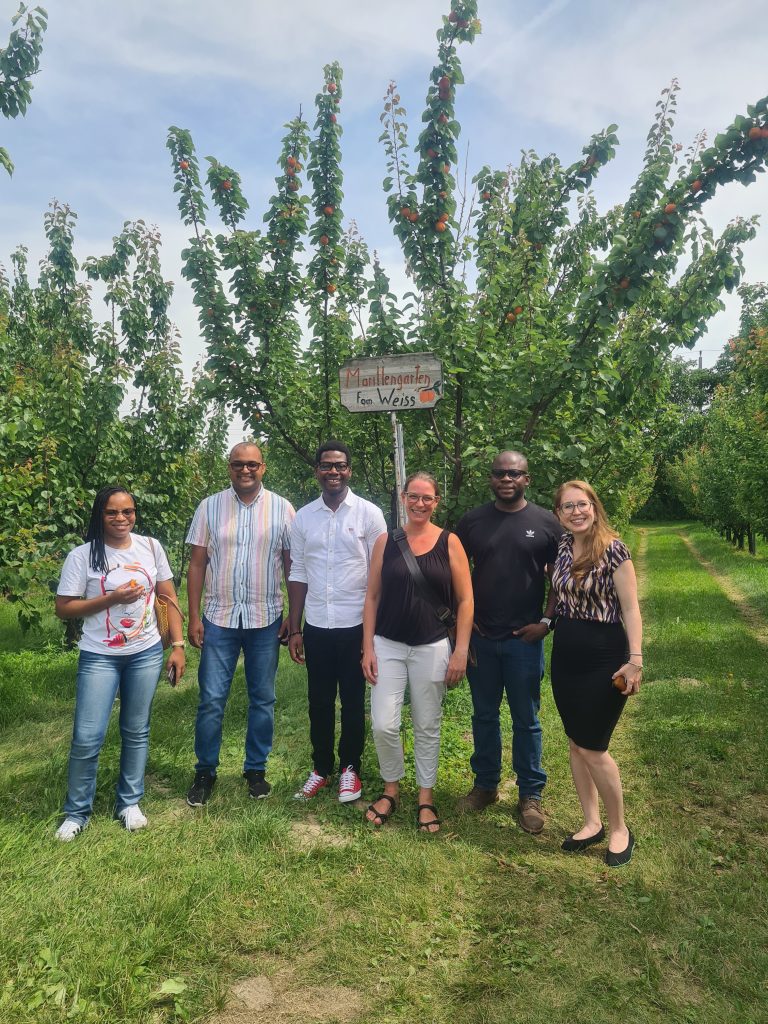
We are excited to announce that a new article about the CAST Mozambique project has been published on the OeAD website! The article, titled “Innovating Tourism Education: Report from CAST Mozambique Study Visit to Austria,” highlights the key outcomes of the project’s study visit to Austria and its impact on advancing sustainable tourism education. To read the full article visit the OeAD website.
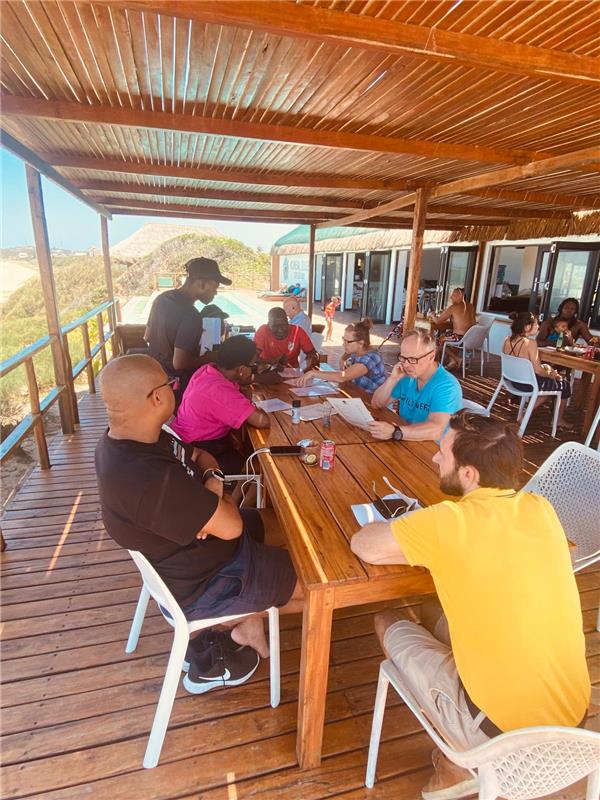
November was the time for the second capacity building as part of CAST Mozambique. This time the Austrian team visited the Mozambican partners in Maputo and Inhambane for a week full of trainings and project meetings. This visit was particularly important given that two stakeholder consultations took place to involve the wider tourism industry and other relevant stakeholders in the shaping of the Master’s curriculum that is being developed as part of the project. In addition, trainings at Universidade Eduardo Mondlane in Inhambane involved a wide range of staff at ESHTI to gain useful skills in teaching sustainable and rural tourism, as well as tourism product development at Master’s level. The trip was a full success – you find a more detailed story on the OeAD website.
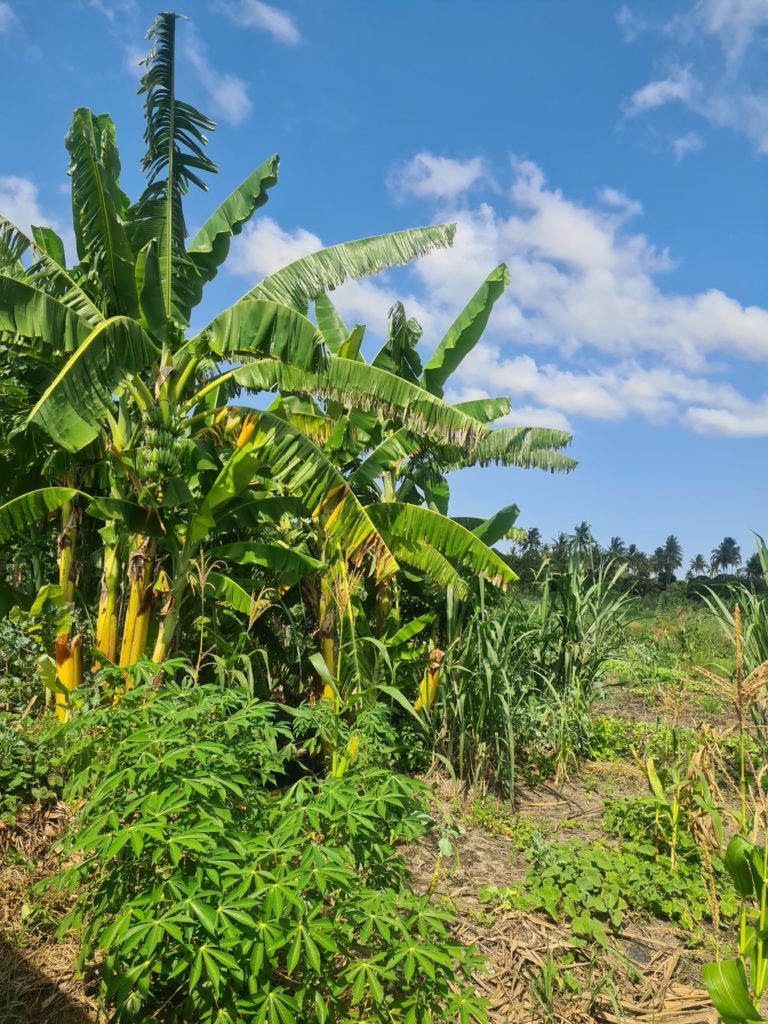
We’re pleased to share a team update. Mattia Rainoldi (IMC Krems) joins CAST Mozambique as a trainer with a strong focus on innovative, experience-based teaching. He introduced Lego® Serious Play® during our June training week and will support capacity building (WP2/3), co-develop teaching materials, and strengthen community-engaged learning in the upcoming pilot subjects. At the same time, we warmly acknowledge the contribution of Giancarlo Fedeli, who served as a trainer and acted as interim project lead during Claudia Dolezal-Wurbs’ maternity leave—coordinating activities with ESHTI, supporting curriculum co-design for the planned MA in Sustainable (Rural) Tourism, and helping facilitate the November workshops and stakeholder exchanges in Mozambique. Meet both colleagues – and the full partnership – on our Partners page.
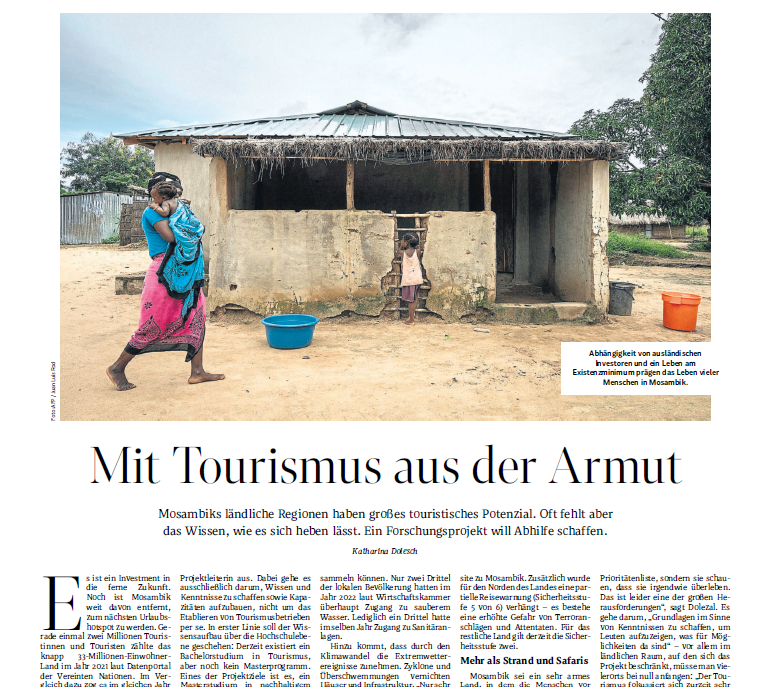
The prestigious Austrian newspaper “Der Standard” has written an article on CAST Mozambique, discussing the potential for sustainable tourism in Mozambique, as well as challenges ahead. This interview with project leader Claudia Dolezal was published both in PRINT and as ONLINE version. We are extremely thrilled that our project is gaining such attention in Austria!
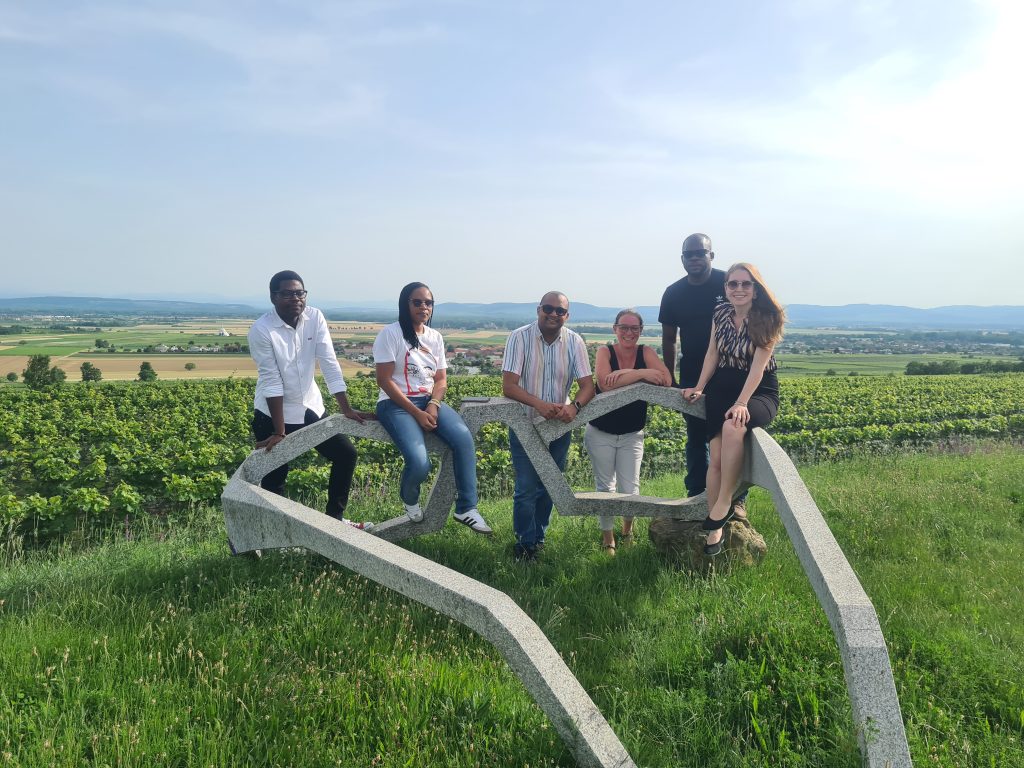
The first CAST Mozambique capacity training has taken place at the IMC Krems in Austria and it was a great success! Between the 17th and the 22nd of June we were able to welcome 4 of our Mozambican partners at the IMC Krems to engage in training on how to successfully teach at Master’s level, how to develop a Master’s degree and how to incorporate new teaching methods in the classroom. The Capacity Building also featured guest lectures and discussions on teaching the Master’s students at the IMC, as well as project meetings to discuss the results of the ESHTI staff survey and better understand the needs for training as part of the project. An agrotourism excursion in Lower Austria rounded off the programme and gave an insight into how agriculture and tourism in Austria link in practise, finishing off with a visit at the funding agency OeAD. Read the full article on the OeAD website.

We look back at our first project year (April 2023–March 2024): after the formal kick-off, we completed a curriculum needs analysis at ESHTI and initiated a feasibility study to align a future MA in Sustainable (Rural) Tourism with Mozambique’s context. Early stakeholder consultations were re-scheduled to autumn 2024 to ensure broad participation and thorough preparation. Throughout the year, we held six partner meetings and introduced shared management tools (time tracking, templates, workflows) that streamlined coordination between IMC Krems and ESHTI. A key milestone was the launch of our bilingual project website, which significantly increased visibility and helped document progress. We opened a call for PhD proposals and shortlisted a strong candidate, laying the groundwork for enhanced research capacity. Looking ahead to year two, we focused on deepening stakeholder engagement and preparing targeted capacity-building activities that feed directly into curriculum development and future teaching. You can read the full recap here.
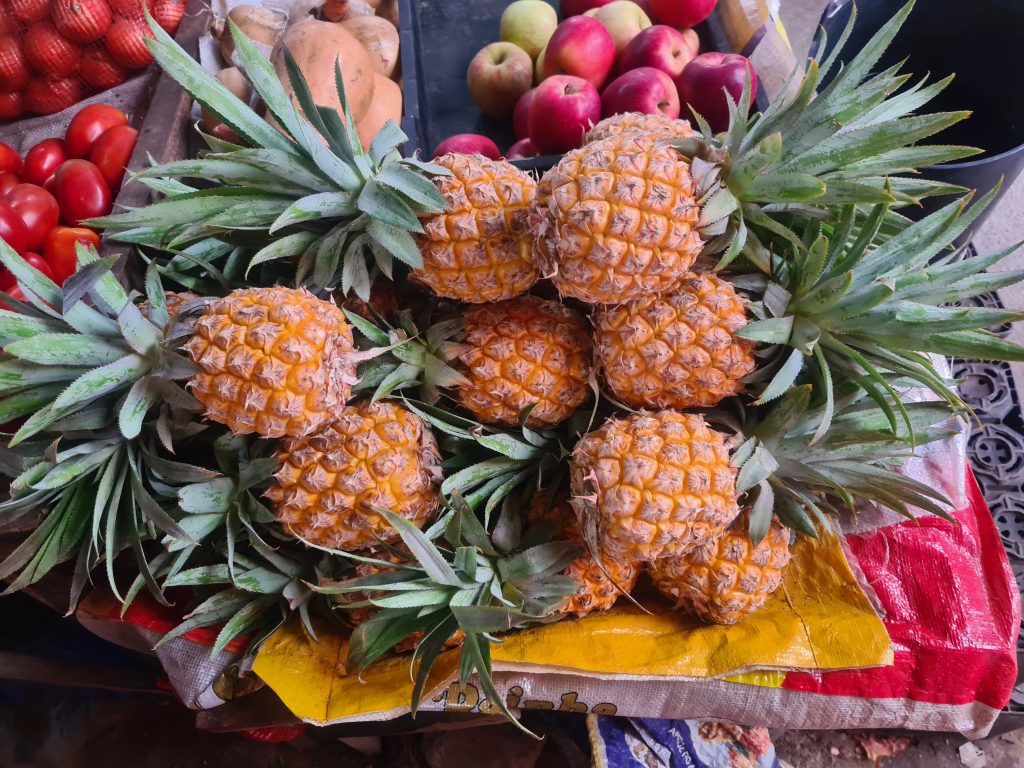
As CAST Mozambique is celebrating its first anniversary, the IMC University of Applied Sciences is reporting on the project, its aim as well as the tasks that have been achieved so far. The article has further been linked to the CAST website to draw attention to the full details of the project. Thank you to the IMC for posting this also on social media! The English version of the article can be found here.
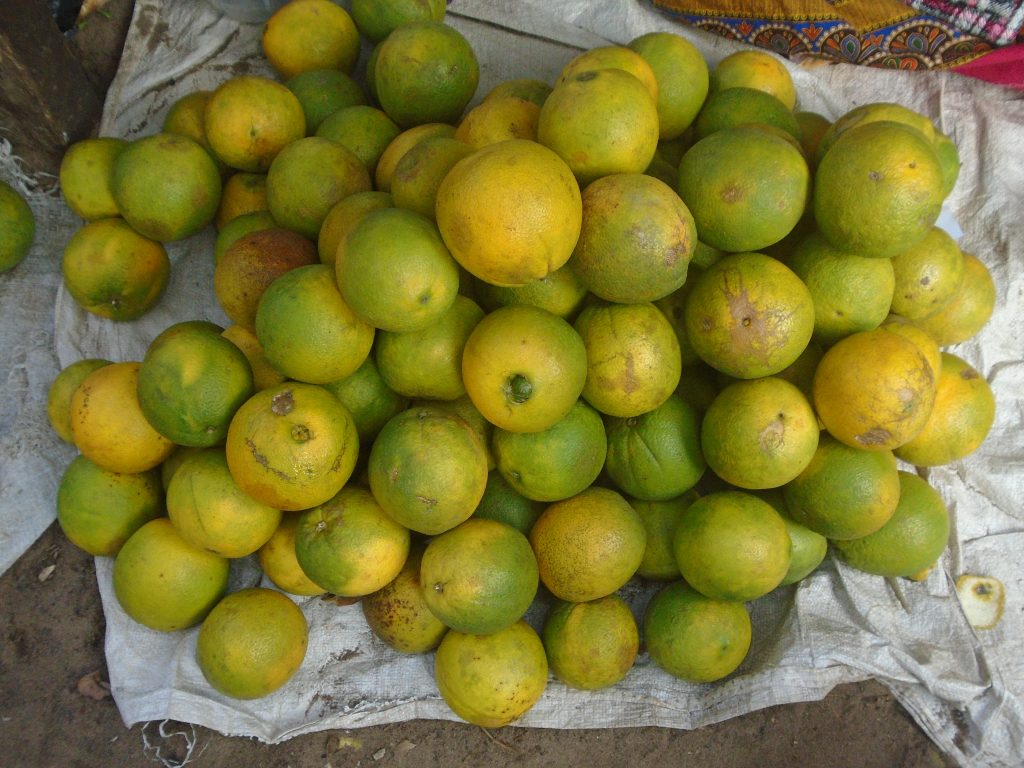
At today’s team meeting we have welcomed our new members of the project team, Pelagio Maxlhaieie and Ernesto Macaringue, who will support us with project administrative and managerial tasks on the Mozambican side. Further discussion points was the first visit in Austria this year to start of our training activities as well as the APPEAR PhD scholarship, which will enable a Mozambican student to register for a PhD programme at an Austrian university, in collaboration with the IMC University of Applied Sciences Krems.

At today’s team meeting the first visits in Austria and Mozambique were discussed, including the stakeholder consultation that will bring together key stakeholders from the tourism industry to understand the needs in regards of a new MA degree in sustainable tourism. The team has designed a survey for ESHTI staff that will help us understand the needs for training and deliver the first training workshops. Stay tuned for more!
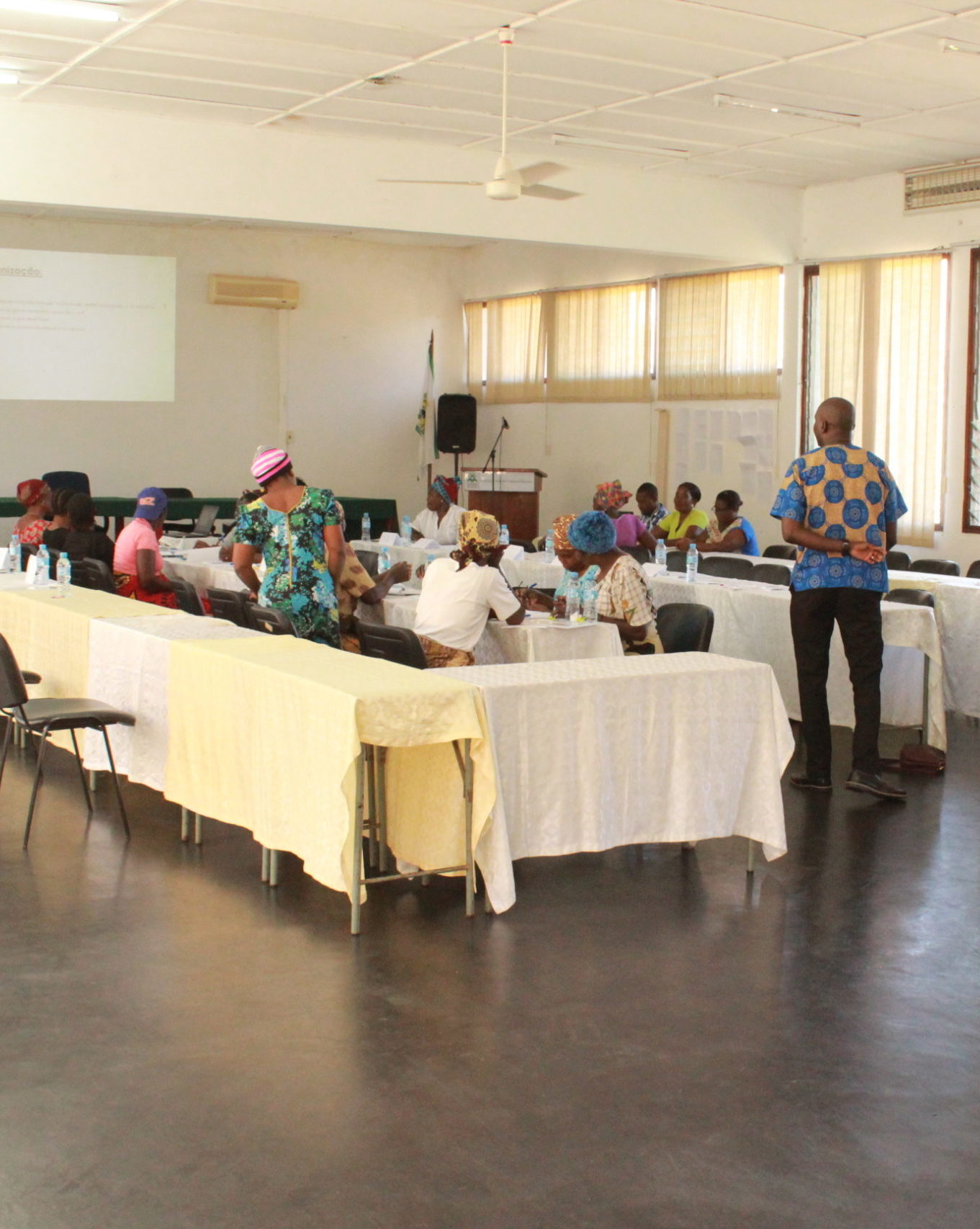
The needs analysis survey for CAST Mozambique is available for ESHTI staff soon. The survey was developed in collaboration with the IMC and ESHTI project team and is designed to gather insights on current teaching and sustainable tourism skills and knowledge and identify areas for improvement. The survey covers a range of topics, including current teaching and expertise, teaching methodology, research and innovation, and digitalisation. The CAST Mozambique project team is committed to create training incentives that fill the needs of the current ESHTI staff so to develop this from the bottom up and to create new courses that meet the needs of students, business and the community. The needs assessment survey is an important step in this process.
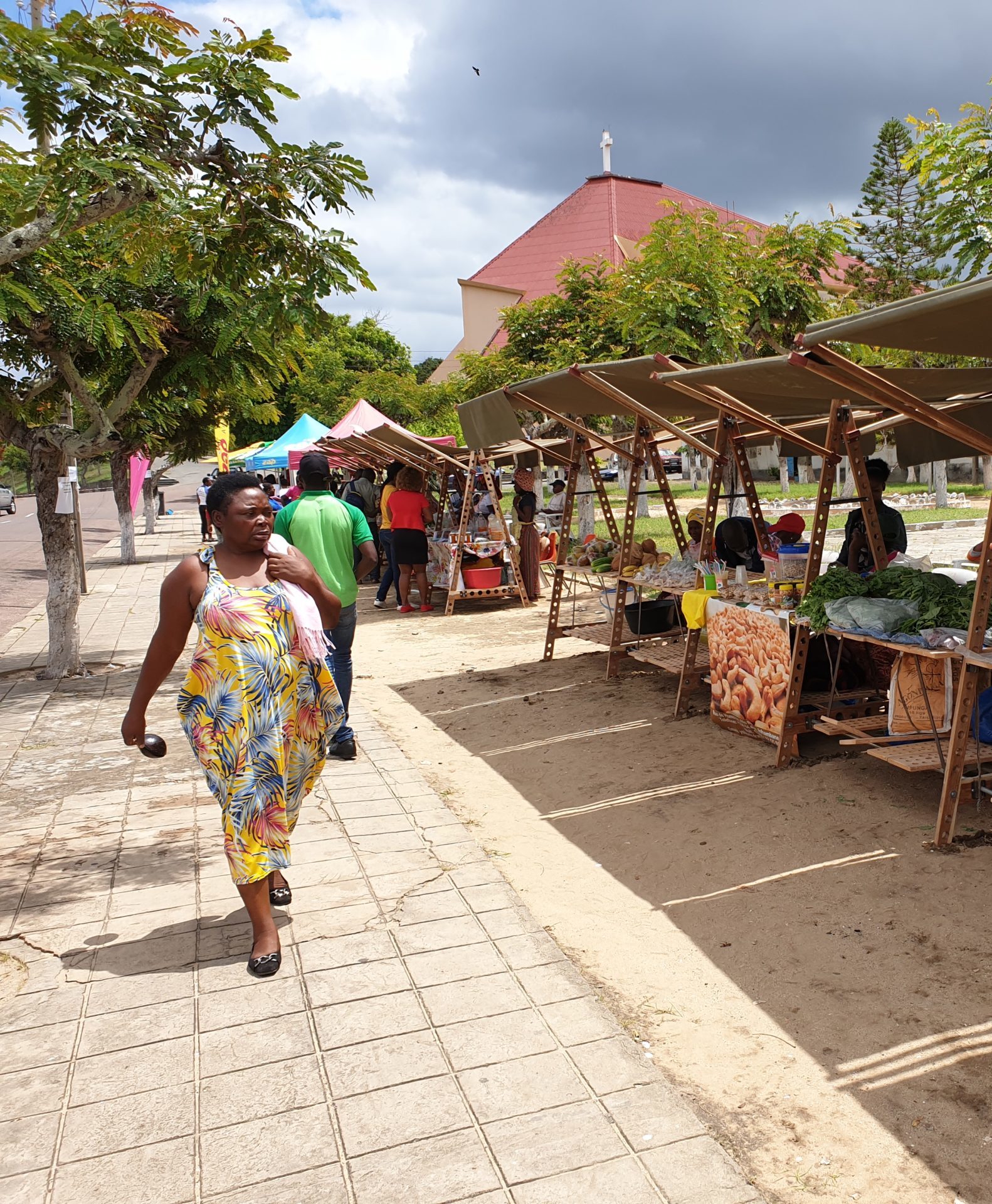
The CAST Mozambique Project, which aims to strengthen the Master of Arts (MA) program at the Universidade Eduardo Mondlane (UEM) in Mozambique, is making steady progress. The project team is currently conducting a thorough needs analysis to gather valuable insights from students, lecturers, and industry representatives. These findings will be instrumental in developing a comprehensive feasibility study and a robust proposal for the MA degree program. To further engage stakeholders and gather their input, a stakeholder consultation will be organized in Mozambique. The project team will also embark on a field research trip to Mozambique, where they will meet with stakeholders and gain a deeper understanding of the local context. A comprehensive training program will be designed to prepare teachers to effectively deliver the MA curriculum. Simultaneously, the project team will identify potential field sites and rural partners in Mozambique to expand the reach and impact of the MA program. Committed to making a positive difference in Mozambique’s higher education landscape, the CAST Mozambique Project team remains steadfast in its mission to strengthen the MA program’s foundation and contribute to the country’s academic excellence.
CAST Mozambique is offering a PhD scholarship to support research on agrotourism/rural tourism development in Mozambique. The scholarship is open to students and professionals from APPEAR partner institutions in Mozambique. The successful candidate will receive comprehensive financial support, including a monthly scholarship instalment, travel costs, and additional grants. Priority for the scholarship and conference participation is given to female students. More information on the APPEAR PhD Scholarship can be found here: CAST Mozambique Job Description PhD Student APPEAR
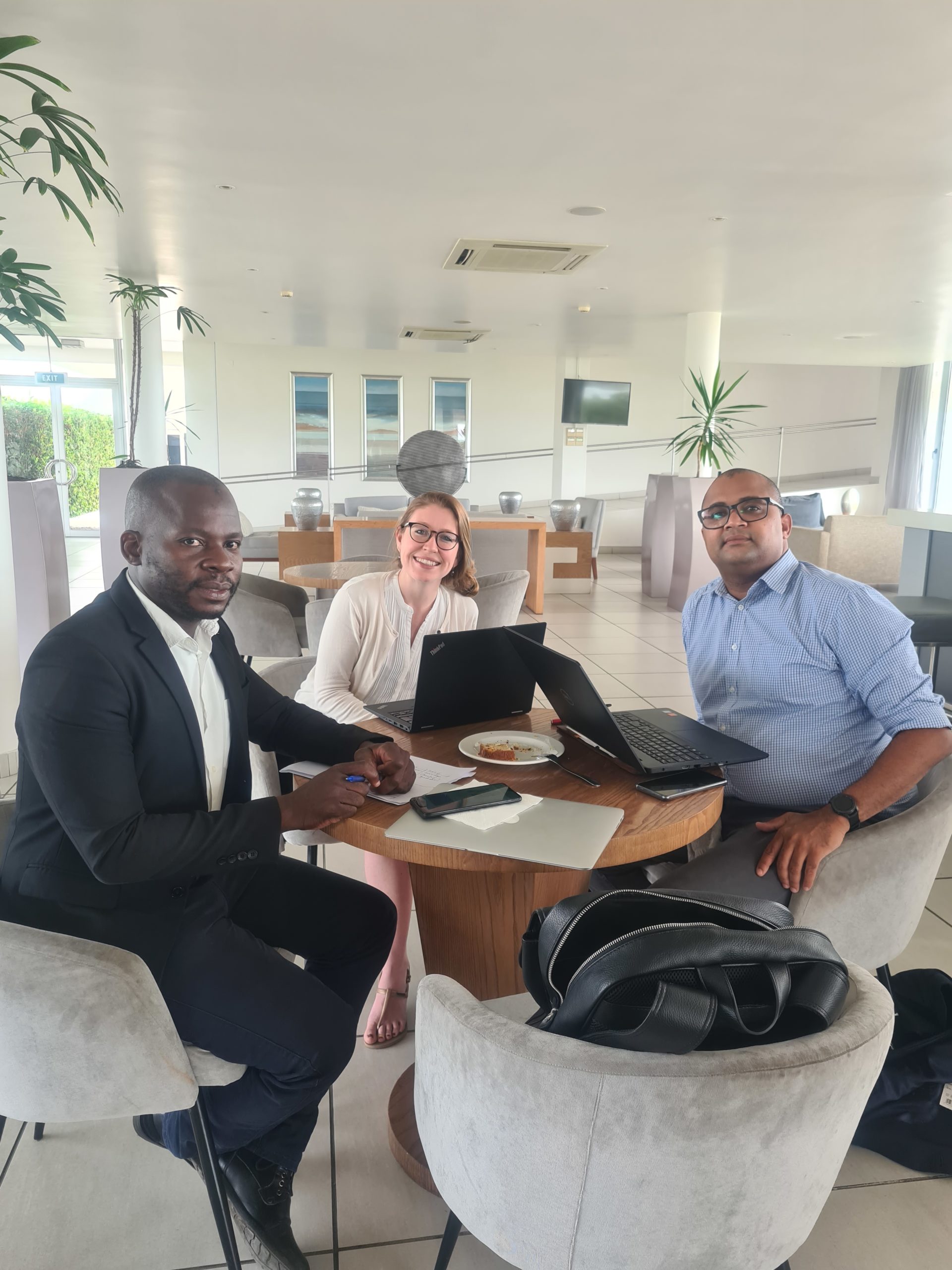
The first project meeting took place on July 11, 2023 to discuss the framework for the PhD scholarship and the first steps for the needs analysis that forms the basis for the new Master’s degree. The needs analysis will be conducted through an online survey with members of staff at ESHTI to understand the current needs in regards to training. The project members are excited to continue working on this project and to make a positive impact on the development of the Mozambican tourism industry.
On April 27, 2023, the first kick-off meeting for CAST Mozambique took place. All project members from Austria (IMC) and Mozambique (UEM) were present. The first milestone was set, first steps and tasks were discussed, and goals defined. We are excited for the challenging and interesting tasks that lie ahead of us. More information on the aims of the research project can be found here.

 English (UK)
  Português